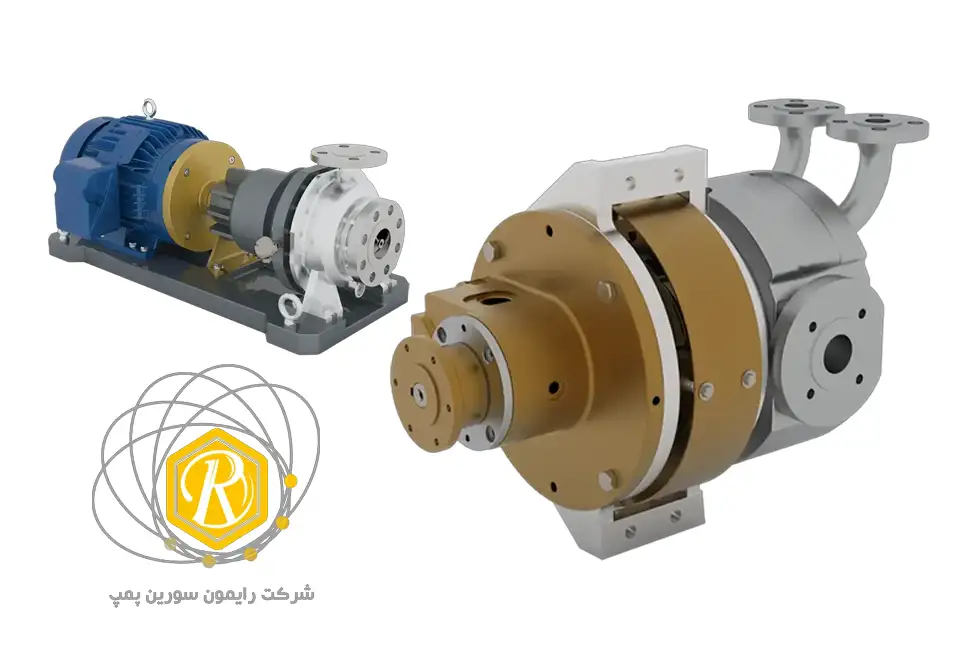
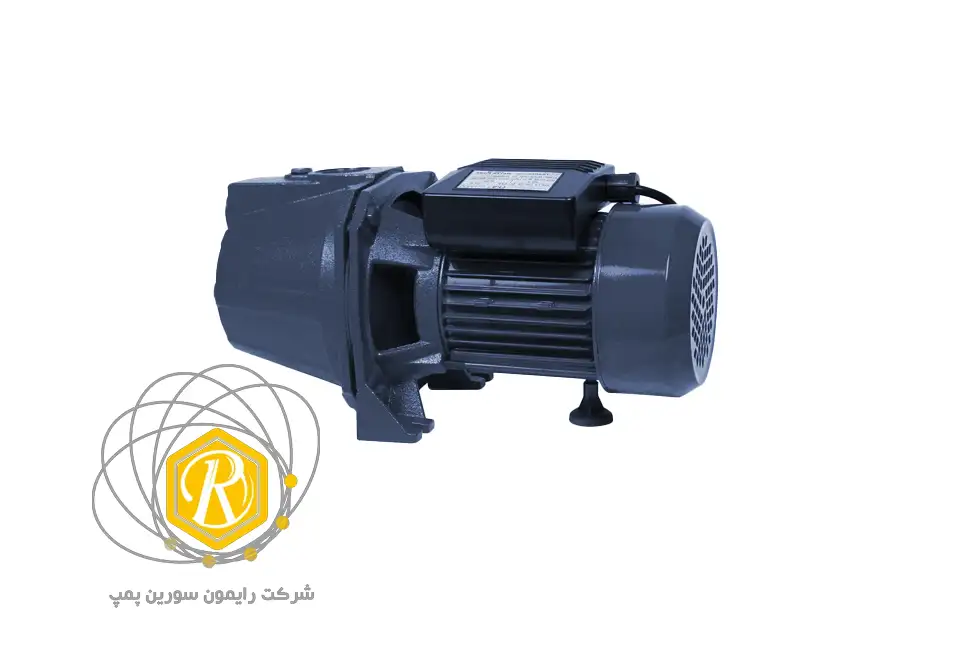
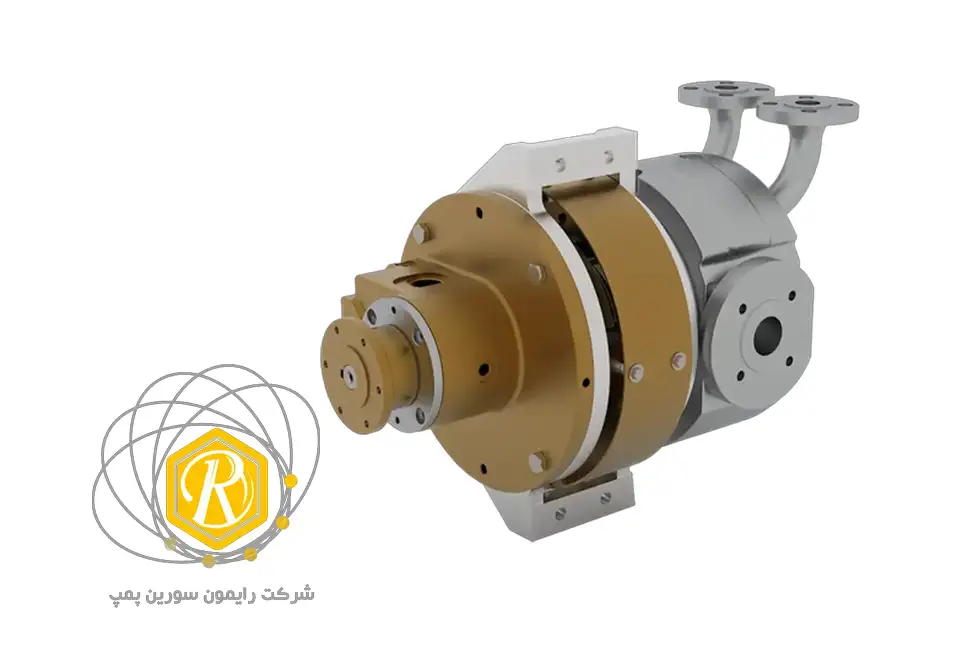
Both centrifugal and magnetic drive pumps are widely used for transferring liquids across industries. However, they differ significantly in design, sealing mechanism, and application suitability. Choosing the right pump depends not on pressure or flow alone, but on fluid properties, safety requirements, and lifecycle costs. In this article, we provide a clear, technically accurate comparison to help you select the best pump for your specific needs.
Key Takeaways
Magnetic drive pumps are a subtype of centrifugal pumps—not a separate pump category.
The core difference lies in the drive mechanism and shaft sealing, not in how fluid is moved.
Magnetic pumps are ideal for hazardous, corrosive, or valuable fluids that must not leak.
Standard centrifugal pumps are better suited for fluids with solids, higher viscosity, or general-purpose use.
The right choice balances safety, fluid compatibility, upfront cost, and maintenance over the pump’s lifetime.
Understanding Industrial Pumps
Industrial pumps are mechanical devices that convert mechanical energy into hydraulic energy to move liquids from one point to another. The two most common types are standard centrifugal pumps and magnetic drive centrifugal pumps—both operating on centrifugal force but differing in how power is transmitted and how leakage is prevented.
What Is an Industrial Pump?
An industrial pump can handle a wide range of conditions—from low to high pressure, low to high temperature, and clean to abrasive fluids. The pump type directly impacts system safety, efficiency, and total cost of ownership.
Main Types of Industrial Pumps
Both “standard centrifugal” and “magnetic drive” pumps belong to the centrifugal pump family. The critical distinction is in the power transmission method and shaft sealing. Magnetic drive pumps eliminate mechanical seals entirely, making them the preferred choice when zero leakage is non-negotiable.
What Is a Centrifugal Pump?
A centrifugal pump uses centrifugal force to move fluid from the impeller eye to the discharge. Key components include the impeller, volute casing, shaft, and bearings. A mechanical seal or packing prevents leakage where the shaft exits the pump casing.
Types of Centrifugal Pumps
They are available as single-stage (for moderate pressure) or multistage (for high pressure), and in horizontal or vertical configurations. Special designs can handle slurries, wastewater, or fluids with suspended solids.
What Is a Magnetic Drive Pump?
A magnetic drive pump (or mag-drive pump) is a seal-less centrifugal pump where the impeller is attached to an inner rotor enclosed in a hermetically sealed can. This rotor is driven by an outer magnet assembly connected to the motor shaft, using a magnetic coupling with no physical contact.This design ensures zero leakage—the fluid is completely contained within a sealed chamber, making it ideal for toxic, corrosive, or high-value liquids.
Key Differences in Design and Performance
1. Sealing Mechanism
Standard Centrifugal Pump: Uses a mechanical seal or packing that wears over time and requires periodic replacement. Minor leakage is common during service life.
Magnetic Drive Pump: Has no mechanical seal. The fluid is fully enclosed—ideal for hazardous or environmentally sensitive applications.
2. Power Transmission
Standard Centrifugal: Direct shaft connection from motor to impeller.
Magnetic Drive: Torque is transmitted via magnetic fields (contactless). Slightly lower efficiency due to magnetic losses, but offers superior safety.
3. Fluid Compatibility
Centrifugal Pump: Handles fluids with solids, moderate viscosity, and general-purpose applications.
Magnetic Drive Pump: Only for clean, particle-free, low-viscosity fluids. Even small solids can cause rotor seizure and catastrophic failure.
Advantages and Disadvantages of Standard Centrifugal Pumps
Advantages:
Lower initial cost
Easier maintenance and repair
Handles slurries, viscous fluids, and abrasive media
Higher hydraulic efficiency
Disadvantages:
Potential for seal leakage
Requires periodic seal replacement
Not suitable for highly toxic or valuable fluids
Advantages and Disadvantages of Magnetic Drive Pumps
Advantages:
Zero leakage operation (leak-free)
Very low maintenance (no seals to replace)
High safety for hazardous or sensitive fluids
Disadvantages:
Higher initial cost
Not suitable for fluids with solids or high viscosity
Slightly lower efficiency due to magnetic coupling losses
Limited in size and power (typically up to 200 kW)
Industrial Applications
Standard Centrifugal Pumps:
Water & wastewater treatment (sludge, raw water)
Food & beverage (milk, juice, sauces)
Oil & gas (injection water, non-hazardous hydrocarbons)
Magnetic Drive Pumps:
Chemical processing (acids, caustics, solvents)
Pharmaceuticals (sterile solutions)
Petrochemical (toxic or high-value process fluids)
Laboratories and small-scale processing units
Comparison Criteria
Standard Centrifugal Pump
Magnetic Drive Pump
Sealing System
Mechanical seal or packing
Seal-less (hermetically sealed chamber)
Leakage Risk
Potential for leakage
Zero leakage (leak-free)
Fluid Type
Clean, with solids, viscous
Clean, particle-free, low viscosity only
Initial Cost
Low
High
Maintenance Cost
Moderate to high (seal replacement)
Very low
Primary Use Case
General industrial applications
Hazardous or sensitive fluid handling
How to Choose the Right Pump?
Ask yourself these questions:
Is your fluid toxic, corrosive, or high-value? → Magnetic drive pump
Does your fluid contain solids or have high viscosity? → Standard centrifugal pump
Is even minor leakage unacceptable? → Magnetic drive pump
Is upfront cost a major constraint? → Standard centrifugal pump
Conclusion
Magnetic drive pumps are not replacements for standard centrifugal pumps—they are specialized solutions for applications where zero leakage is critical. Conversely, standard centrifugal pumps remain the go-to choice for most industrial applications due to their versatility, cost-effectiveness, and tolerance for challenging fluids.A smart selection based on process needs, safety, and total lifecycle cost—not just purchase price—leads to better reliability, lower operating costs, and long-term savings.
Frequently Asked Questions
Can a magnetic drive pump handle fluids with solids?
No. Magnetic drive pumps are extremely sensitive to solids. Even fine particles can cause the inner rotor to seize, leading to pump failure.
Which pump has higher efficiency?
Standard centrifugal pumps typically offer 3–10% higher hydraulic efficiency than magnetic drive equivalents due to the absence of magnetic coupling losses.
Does a magnetic drive pump require maintenance?
If the fluid is clean and within specifications, maintenance is minimal. However, periodic monitoring of bearing temperature and performance is still recommended.